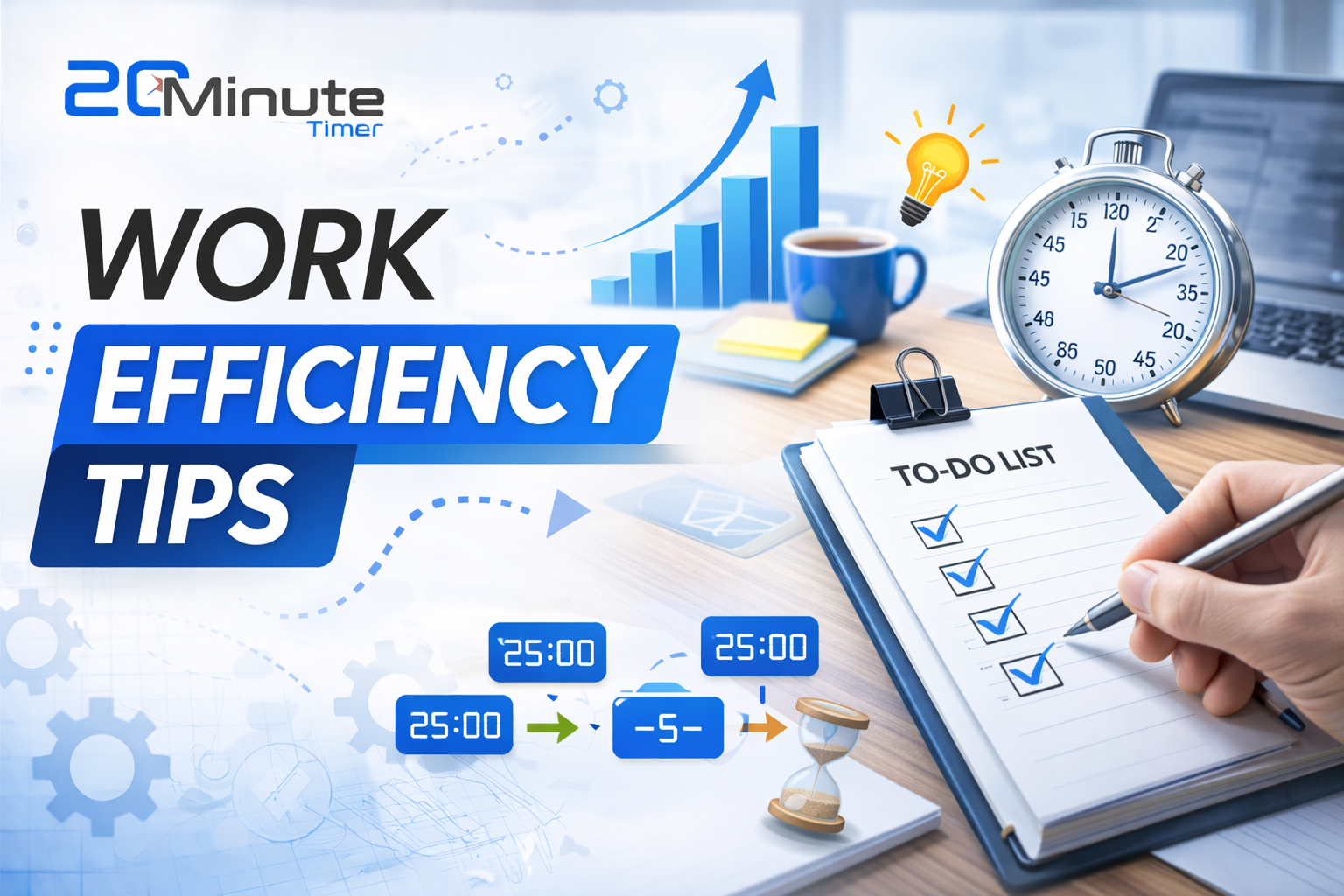
Work efficiency tips matter more today than ever because your time, focus, and energy are constantly under pressure from deadlines, notifications, and growing expectations. When you work efficiently, you get better results without working longer hours or sacrificing your well-being.
This guide walks you through practical, research-backed strategies you can apply immediately to improve how you work, stay focused, and consistently perform at your best in a modern U.S. workplace.
Understand What Work Efficiency Really Means
Work efficiency is about producing meaningful results with less wasted effort, not rushing through tasks or multitasking endlessly. When you understand efficiency, you focus on prioritizing outcomes, managing energy, and removing friction from your daily workflow. This mindset shift allows you to work smarter while maintaining quality and consistency.
Efficiency also depends on clarity, as unclear goals lead to wasted time and duplicate work. When you define what success looks like for each task, your decisions become faster and more confident. Clear objectives help you measure progress and stay aligned with your priorities.
Modern efficiency requires balancing productivity with sustainability to avoid burnout. Research shows that employees who manage their workload strategically are up to 20 percent more productive over time. Sustainable efficiency keeps you performing well long term rather than peaking briefly and crashing.
Set Clear Daily and Weekly Priorities
Clear priorities anchor your day and prevent you from reacting to every request or interruption. When you plan your top three outcomes for the day, you focus your effort where it matters most. This approach reduces decision fatigue and keeps your workflow intentional.
Weekly planning adds another layer of efficiency by helping you anticipate challenges before they arise. When you map tasks to specific days, you avoid last-minute stress and rushed execution. Planning ahead allows you to allocate enough time for complex or high-impact work.
Prioritization also helps you say no to low-value tasks that drain time without meaningful results. You gain control over your schedule instead of letting it control you. This discipline is a core foundation for effective work efficiency.
Use Time Blocking to Protect Focus
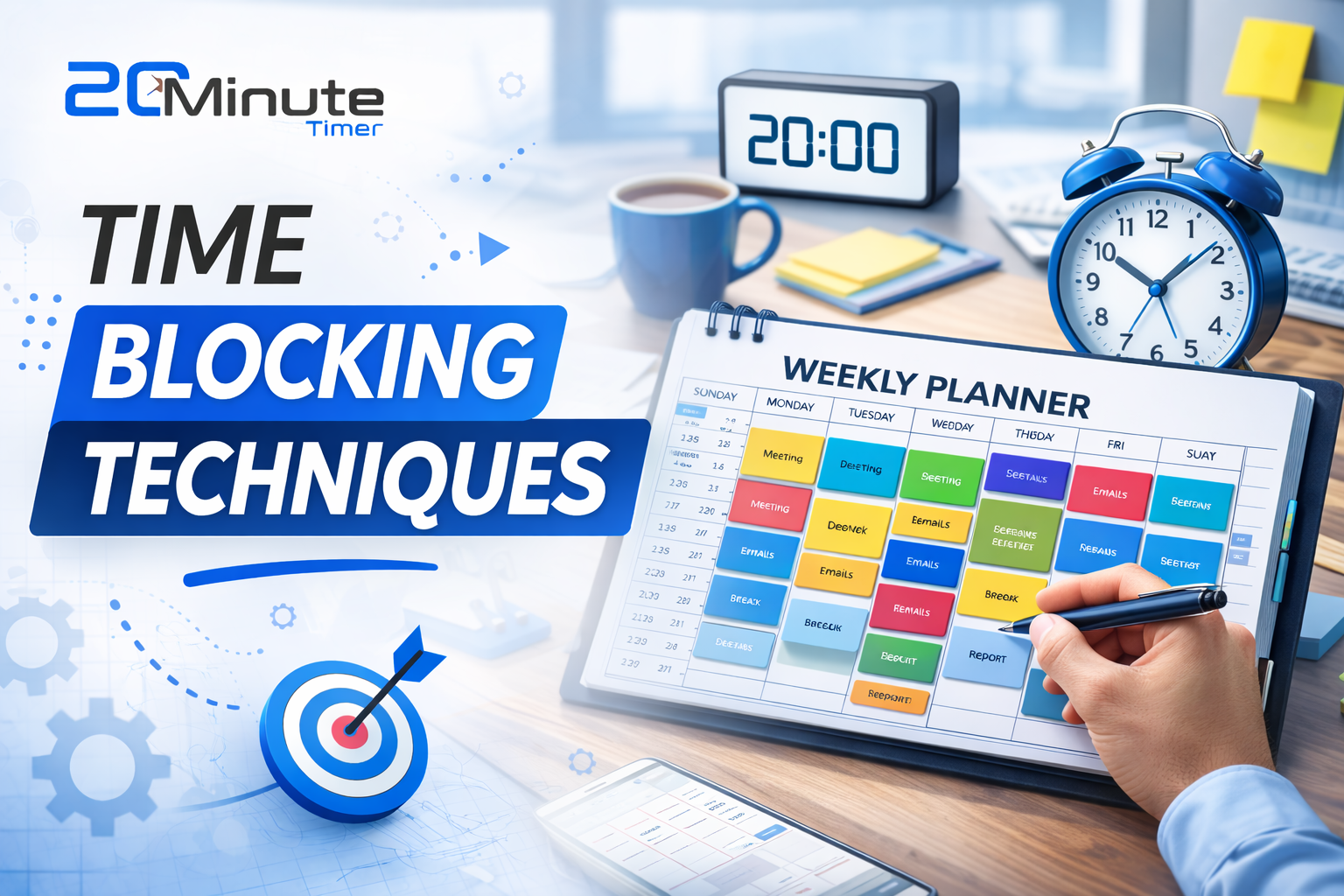
Time blocking helps you assign specific hours to tasks, giving your day structure and flow. Instead of constantly switching between activities, you stay focused on one type of work at a time. This method significantly reduces context switching, which research shows can cost up to 40 percent of productive time.
When you block time, you also create boundaries that protect deep work. For example, scheduling focused sessions helps you complete demanding tasks faster and with fewer errors. Tools like countdown timers support this approach by keeping you aware of time limits, especially when using techniques similar to a countdown timer for focused work sessions.
Time blocking works best when paired with realistic expectations rather than overpacking your calendar. Leave a buffer between blocks to accommodate unexpected issues. This flexibility keeps your system sustainable and stress-free.
Break Work Into Smaller, Actionable Tasks
Large projects often feel overwhelming because they lack clear starting points. When you break work into smaller tasks, you reduce mental resistance and increase momentum. Each completed step builds confidence and keeps progress visible.
Smaller tasks also make scheduling easier because they fit naturally into focused work blocks. You can complete meaningful work even during shorter time windows. This flexibility is especially helpful in busy environments where uninterrupted hours are rare.
Breaking tasks down improves accuracy because you can review and adjust each step. Mistakes are easier to catch early rather than after everything is complete. This approach saves time and improves final quality.
Limit Multitasking and Distractions
Multitasking feels productive but often reduces overall efficiency and output quality. When you split attention between tasks, your brain takes longer to refocus each time. This constant switching leads to fatigue and more errors.
Reducing distractions starts with identifying what most often interrupts your focus. Notifications, emails, and unnecessary meetings are common productivity killers. When you control these inputs, your concentration improves naturally.
Setting clear boundaries around communication helps you stay present with your work. For example, batching messages instead of responding instantly preserves focus. Over time, this habit significantly improves work efficiency.
Optimize Your Work Environment
Your physical and digital environment plays a major role in how efficiently you work. A cluttered workspace increases cognitive load and slows decision-making. When your environment is organized, your mind stays clearer and more focused.
Lighting, noise levels, and ergonomics also affect energy and concentration. Simple adjustments, such as better lighting or noise control, can significantly improve performance. These changes support sustained focus throughout the day.
Digital organization matters just as much as physical setup. Clear folder systems, clean desktops, and structured tools reduce friction. Efficient environments support efficient habits.
Use Timers and Structured Work Sessions
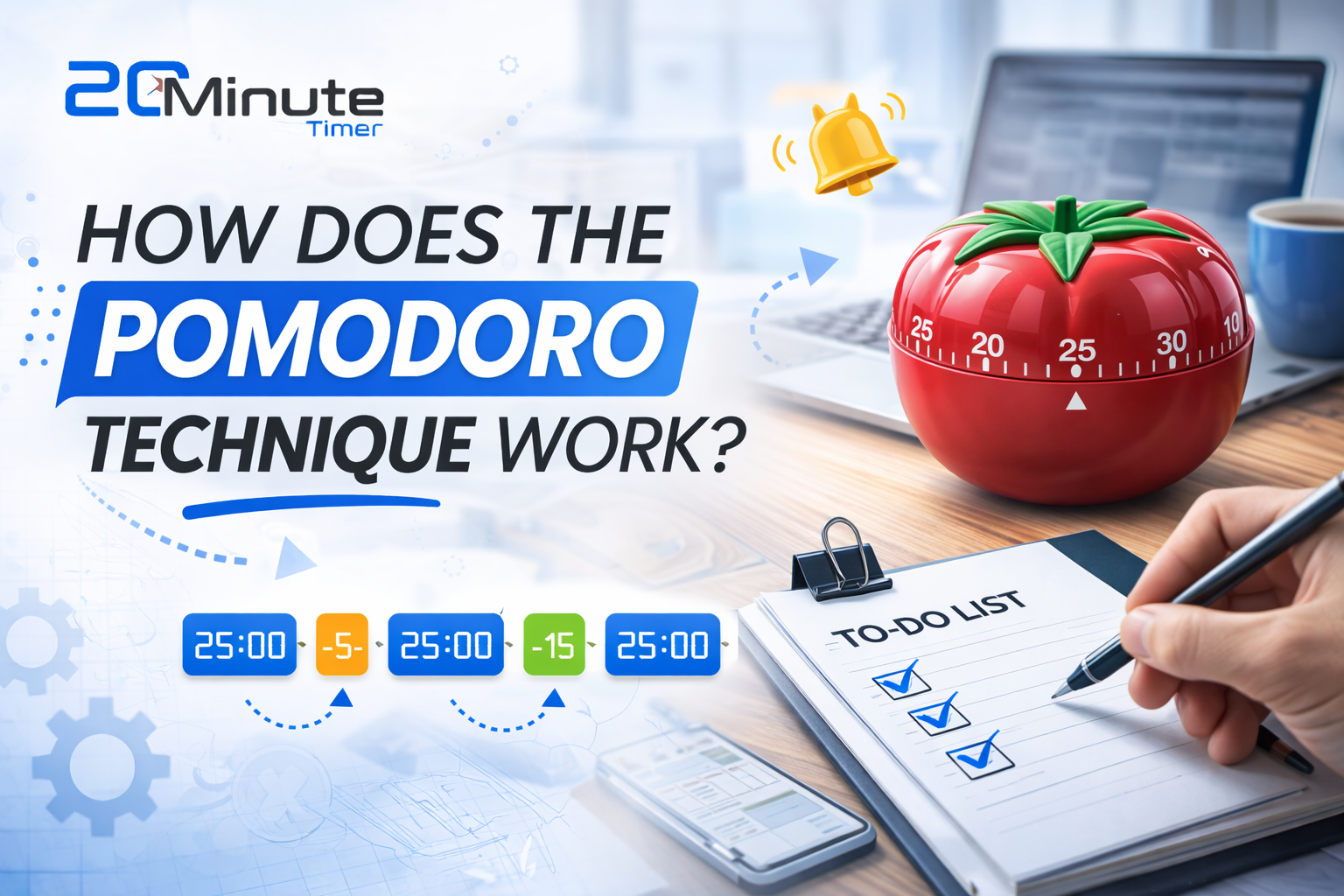
Structured work sessions help you maintain focus while preventing burnout. Working in defined intervals creates urgency without pressure. This balance encourages steady progress rather than procrastination.
Timers provide a clear start and stop point for work sessions. Knowing when a session ends helps you commit fully during that time. Many professionals rely on tools that answer questions like what time will it be in 20 minutes to plan focused intervals.
Regular breaks are just as important as focused work. Short recovery periods restore attention and prevent mental fatigue. This rhythm supports long-term efficiency rather than short bursts of productivity.
Streamline Communication and Collaboration
Efficient communication prevents misunderstandings and repeated work. When expectations are clear, tasks move forward without unnecessary back-and-forth. This clarity saves time across teams and projects.
Choosing the right communication channel also improves efficiency. Not every message needs a meeting or instant reply. Structured communication reduces interruptions and keeps workflows moving smoothly.
Clear documentation supports collaboration by reducing reliance on constant updates. When information is accessible, team members work independently with confidence. This autonomy improves overall efficiency.
Automate and Simplify Repetitive Tasks
Automation removes repetitive tasks that consume time without adding value. When you automate routine processes, you free up mental energy for higher-impact work. This shift significantly improves productivity and job satisfaction.
Simple automation tools can handle scheduling, reminders, and data entry. These small efficiencies add up over time and reduce errors. Consistency improves because automated processes follow the same rules every time.
Simplification is equally important because not everything needs automation. Removing unnecessary steps often delivers faster results. Efficiency improves when systems are lean and purposeful.
Track Progress and Adjust Regularly
Tracking progress helps you understand what is working and what needs adjustment. When you review outcomes regularly, you make informed decisions about how to improve. This feedback loop is essential for continuous efficiency gains.
Simple metrics such as task completion rates or time spent per project provide valuable insights. You do not need complex dashboards to see patterns. Awareness alone often leads to better habits.
Regular reflection keeps your approach aligned with changing priorities. Efficiency is not static and should evolve with your workload. Adjustments ensure your system remains effective over time.
Maintain Energy Through Healthy Work Habits
Energy management is a critical part of work efficiency tips that often gets overlooked. When you neglect rest, hydration, or movement, productivity declines. Sustained efficiency depends on physical and mental well-being.
Short breaks, movement, and proper nutrition support cognitive performance. Studies show that well-rested workers are significantly more productive and make fewer mistakes. Small health-focused habits deliver measurable efficiency benefits.
Boundaries between work and rest protect long-term performance. When you recharge fully, you return to work with clarity and motivation. Healthy habits reinforce efficient workflows.
Conclusion
Work efficiency tips are most effective when they focus on clarity, focus, and sustainable habits rather than shortcuts. By setting priorities, managing time intentionally, and reducing distractions, you create a system that supports consistent performance.
When you apply these strategies thoughtfully, you work with purpose, protect your energy, and achieve more without unnecessary stress.